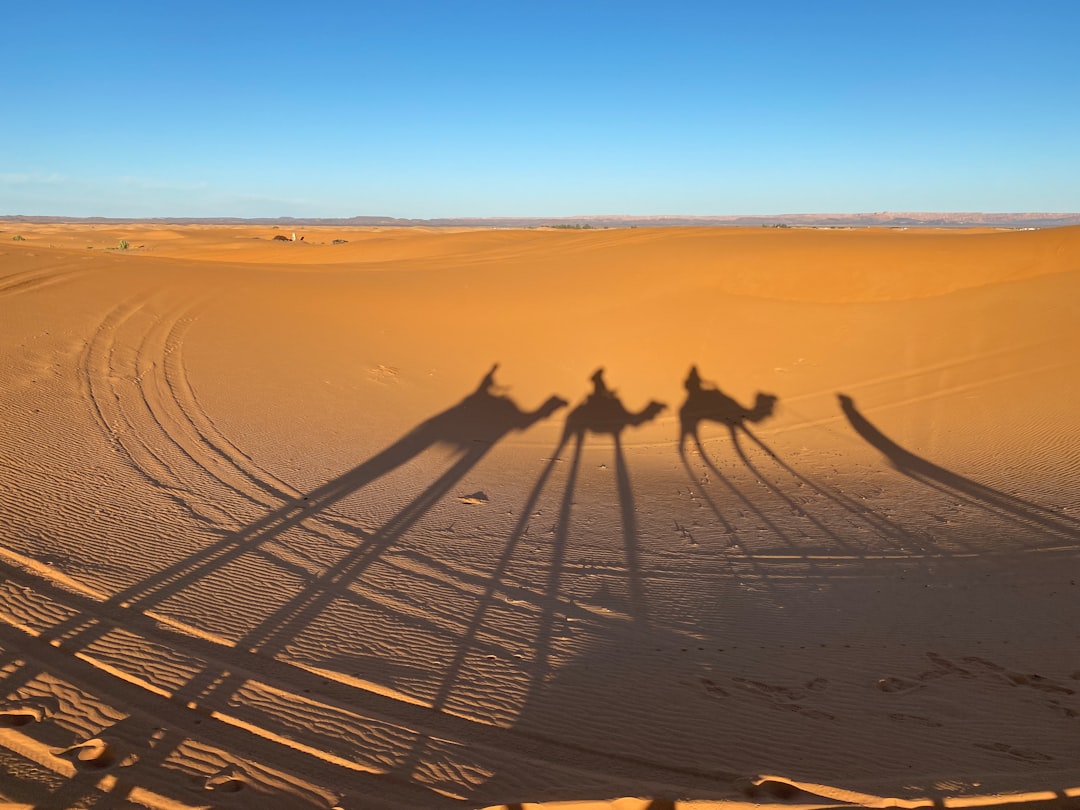
Chinguetti rises from Mauritania’s Adrar Plateau like a lesson in contrast: ochre walls against blue altitude, minaret verticality against the horizontal sweep of dunes. Founded in the medieval period and matured during the great centuries of trans-Saharan exchange, the town became a spiritual capital as much as a market. Pilgrims, scholars, and merchants converged here because water, protection, and reputation aligned—ingredients still decisive in Sahara travel today.
In Islamic historiography and popular geography, lists of “holy” or spiritually weighty cities vary by school and era, but Chinguetti is frequently counted among the seven sacred cities of Saharan Islam—a roster that can include Fez, Kairouan, and other centers depending on the storyteller. The numbering matters less than the lived fact: for West African Muslims, stopping in Chinguetti meant touching a node of jurisprudence, Sufi devotion, and manuscript culture that mediated between Maghreb and Sudan.
The town’s libraries—family collections open to researchers and respectful visitors—preserve Qur’anic copies, Maliki legal commentaries, astronomical tables, and poetry copied on desert paper with inks that survived dry air better than tropical humidity. Curators often double as genealogists, knowing which uncle donated which shelf and which flood or sandstorm required rescue work. Digitization projects help, but the tactile authority of an old codex still anchors community memory.
UNESCO recognition frames Chinguetti as endangered beauty: dunes press against foundations, temperatures climb, and young people sometimes migrate to cities with salaried predictability. Yet renewal also appears—restoration workshops, guided tourism that funds masonry repairs, students who return for Ramadan. The minaret’s silhouette, photographed at dawn, remains one of Mauritania tourism’s quiet icons: not a resort, but a proof that intellect and stone can cohabit the Sahara.
Visitors should dress modestly, ask permission before photographing people or manuscripts, and hire local guides who understand seasonal access. Carry cash, patience, and a scarf for wind. Chinguetti teaches the same lesson as the open desert: reverence is practical; arrogance is expensive.
Planning a wider itinerary? Pair Chinguetti with Ouadane, Oualata, and Tichitt—the ancient ksour that together form Mauritania’s UNESCO cluster—each a different chapter in stone, trade, and scholarship.